
Daily Practices to Maintain Tone and Energy After 50

Here are simple daily habits, movement practices, and nutritional tips. Our blog is suitable for men who want to maintain activity, flexibility, and inner balance in adulthood.

Maintaining mobility and tone

Moderate daily activity helps maintain flexibility and freedom of movement. Even short exercises or stretching help the body stay active without overfatigue.

Stable energy levels throughout the day

Regular morning and evening rituals help avoid sharp drops in activity. When the day has a clear structure, it is easier for the body to adapt to stress and maintain vigor.

Formation of useful habits

Small repetitive actions gradually become part of the lifestyle. Over time, they do not require effort, but provide long-term support for overall tone and balance.

Feeling of control and confidence

Habitual rituals create a sense of order and stability. This has a positive effect on the emotional state and helps to plan daily activities more easily.

Why Daily Rituals Are Important After 50

Daily habits for energy after 50 help maintain a stable level of vigor, maintain mobility and a sense of control over your day. Small but regular actions form a healthy rhythm of life without overload.

Morning activity as the basis of the day

Morning stretching for men 50+ is a gentle way to “wake up” the body and prepare it for daily activity. It does not require special equipment and takes a minimum of time.
Example of a schedule: 5-minute morning stretching

1

Circular movements of the shoulders to relieve morning stiffness

2

Smooth tilts of the head to the sides and forward

3

Slight forward tilts of the torso with a relaxed back

4

Soft turns of the body to activate the spine

5

Stretching of the back and hips in a comfortable range

6

Deep calm breathing to tune in to the day

A mindful approach to pelvic floor muscles

Kegel exercises for men are performed at a leisurely pace and easily fit into your evening ritual. They don’t require movement or special conditions.
Sample schedule: 3 simple Kegel exercises in the evening:

Slow tension and relaxation

Slowly tense the pelvic floor muscles for a few seconds, then relax them just as slowly. Repeat 10 times. This helps you feel the muscles and learn to control their work.

Short rhythmic contractions

Perform rapid contractions and relaxation of the muscles 10–15 times in a row. Breathe evenly, without holding your breath. This exercise trains endurance and quick muscle reaction.

Breath control during execution

Combine muscle tension with a deep breath, and relaxation with a slow exhalation. Repeat 5–8 times. This helps integrate Kegel exercises into your daily rituals and makes training more effective.

Planning your weekly movement

A weekly yoga schedule helps you distribute your load evenly, maintain flexibility, and avoid overexertion. Even short sessions a few times a week can have a noticeable effect on your body’s tone and mobility.
Sample schedule: Weekly yoga practice for flexibility

1

2–3 sessions per week:
Plan light or moderate intensity sessions so that your body has time to recover between sessions.

2

Warming up before your main practice:
5–10 minutes of light movements and breathing exercises will prepare your muscles and joints for the main asanas.

3

Focus on your back:
Do slow bends, twists, and stretches to maintain spinal flexibility.

4

Focus on your hips and shoulders:
Include stretching exercises for your hips and shoulder girdle to reduce stiffness and improve posture.

5

Combining movement and breathing:
Perform each asana with conscious breathing, this increases efficiency and calms the nervous system.

6

Final stretching and relaxation:
3–5 minutes of light relaxation exercises and deep breathing will help restore the body after practice.

Nutrients in the daily diet

The role of vitamins and nutrients in recovery is important for supporting the body's natural processes. Attention to nutrition is part of an overall approach to tone.
Nutrients of the day:

Vitamin D - maintaining overall balance

Products: fatty fish (salmon, mackerel), egg yolks, mushrooms exposed to sunlight.
Magnesium - participation in muscle work

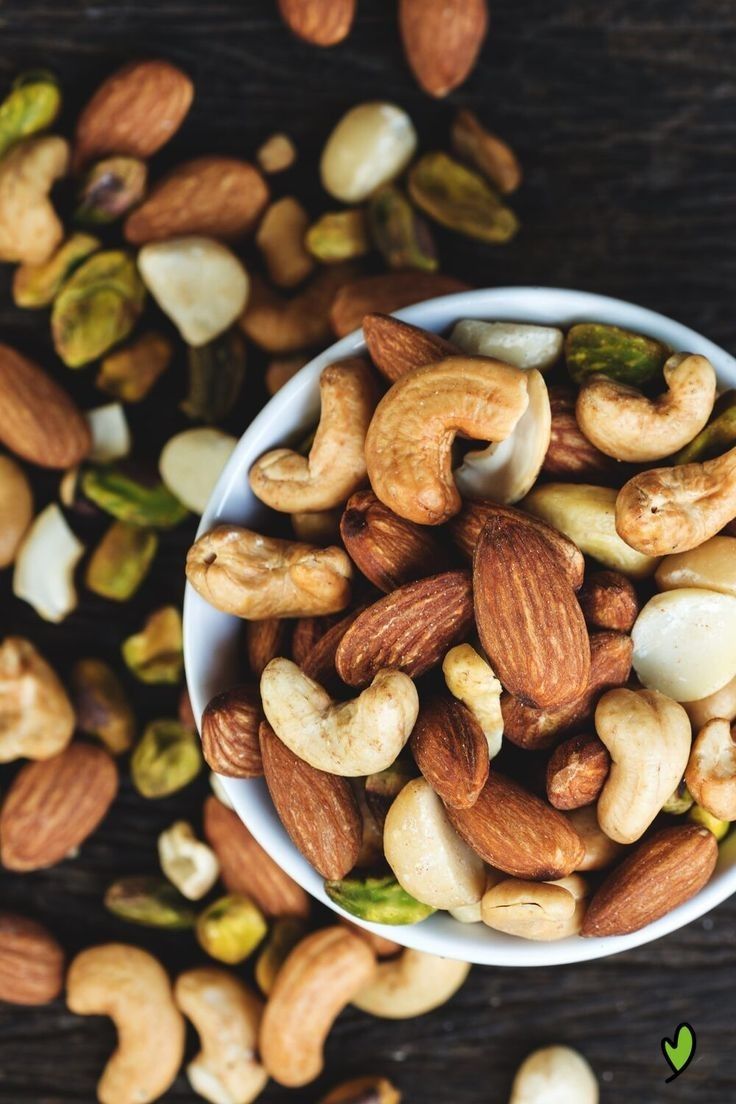
Products: nuts (almonds, cashews), seeds (pumpkin, sunflower), spinach, legumes (lentils, beans).

Zinc - an important trace element in the daily diet

Products: seeds (pumpkin, sesame), nuts, whole grains, lentils, spinach.

Weekly Yoga Plan

A weekly yoga plan helps to evenly distribute the load, maintain flexibility and avoid overexertion. Even short weekly sessions maintain tone, mobility and a feeling of lightness in the body.
Example of a daily schedule:

Monday - Back and shoulder stretches

Light tilts, torso twists and circular movements of the shoulders. 10-15 minutes with conscious breathing.

Tuesday - Hips and pelvis

Exercises to open the hips and stretch the lower back. 10-15 minutes, slow pace.

Wednesday - Recovery day

Light practice of breathing exercises and minimal stretches to maintain mobility without strain.

Thursday - Balance and stability

Standing poses to develop balance and strengthen stabilizing muscles. 10-12 minutes.

Friday - Full Body Complex

A combination of bends, twists, shoulder, hip and back asanas. 15-20 minutes, breath control.

Saturday/Sunday - Relaxation and Recovery

Light stretching, deep breathing exercises, 10 minutes to prepare the body and mind for the week ahead.

Food sources of beneficial elements

1

Brightly colored vegetables, such as bell peppers or broccoli, enrich the diet with vitamin C and other beneficial nutrients for tone.

2

Fatty fish, such as salmon or mackerel, are a natural source of vitamin D and omega-3 fatty acids, which support overall tone.

3

Pumpkin seeds are rich in magnesium and zinc, which are necessary for normal muscle function and energy maintenance.

4

Green leafy vegetables, such as spinach and lettuce, provide the body with vitamins, minerals and antioxidants.

5

Nuts, such as almonds and cashews, help maintain the balance of fatty acids and give a feeling of satiety.

6

Legumes, such as lentils and beans, contain protein, magnesium and iron, which is important for maintaining energy throughout the day.

Sleep and recovery as part of a ritual

Healthy sleep and recovery tips help you maintain a stable rhythm of the day and preserve energy for daily activities.

Regular bedtime

Go to bed and wake up at about the same time every day. This helps your body set its internal biological clock and makes it easier to fall asleep.

Evening breathing exercises

Do 5–10 minutes of light breathing practices before bed. Deep and slow inhalation and exhalation helps relax your muscles, relieve stress and prepare for sleep.

Reduce screen time before bed

Avoid smartphones, computers and TV for about 1 hour before bed. This reduces the effect of blue light on melatonin production and promotes better recovery of the body.

Frequently Asked Questions (FAQ)

What time of day is best to exercise?

Morning or evening - depending on your personal rhythm and well-being.

What foods are rich in zinc?

Seeds, nuts, legumes, whole grains.

Do you need to exercise every day?

Regularity is more important than intensity.